Decentralized exchange news liquidity fees and launches to watch in 2026
The DEX news worth acting on in 2026 changes the price you can actually execute, the assets and networks you can access, or the permissions that govern the protocol. Start with liquidity depth at your trade size, then calculate the full cost of a swap, confirm the deployment from a primary source, and check whether the upgrade changes smart-contract or admin risk.
This is a monitoring guide rather than a token or protocol ranking. Conditions can move quickly across chains and pools. Check the relevant interface, contract addresses, documentation, and transaction simulation before trading or supplying liquidity.
Key takeaways
- A large headline volume number does not prove that a specific token pair can absorb your order with low price impact.
- Compare the complete transaction cost: liquidity-provider fee, any protocol or interface fee, network fee, price impact, and any bridge or approval cost.
- Treat a launch as confirmed only when an official announcement, live interface, documentation, and verifiable deployment details agree.
- Routing updates matter when they alter the venues, pools, or chains used to fill an order.
- Liquidity providers should review fee rules, pool type, incentives, rebalancing exposure, and withdrawal conditions before moving capital.
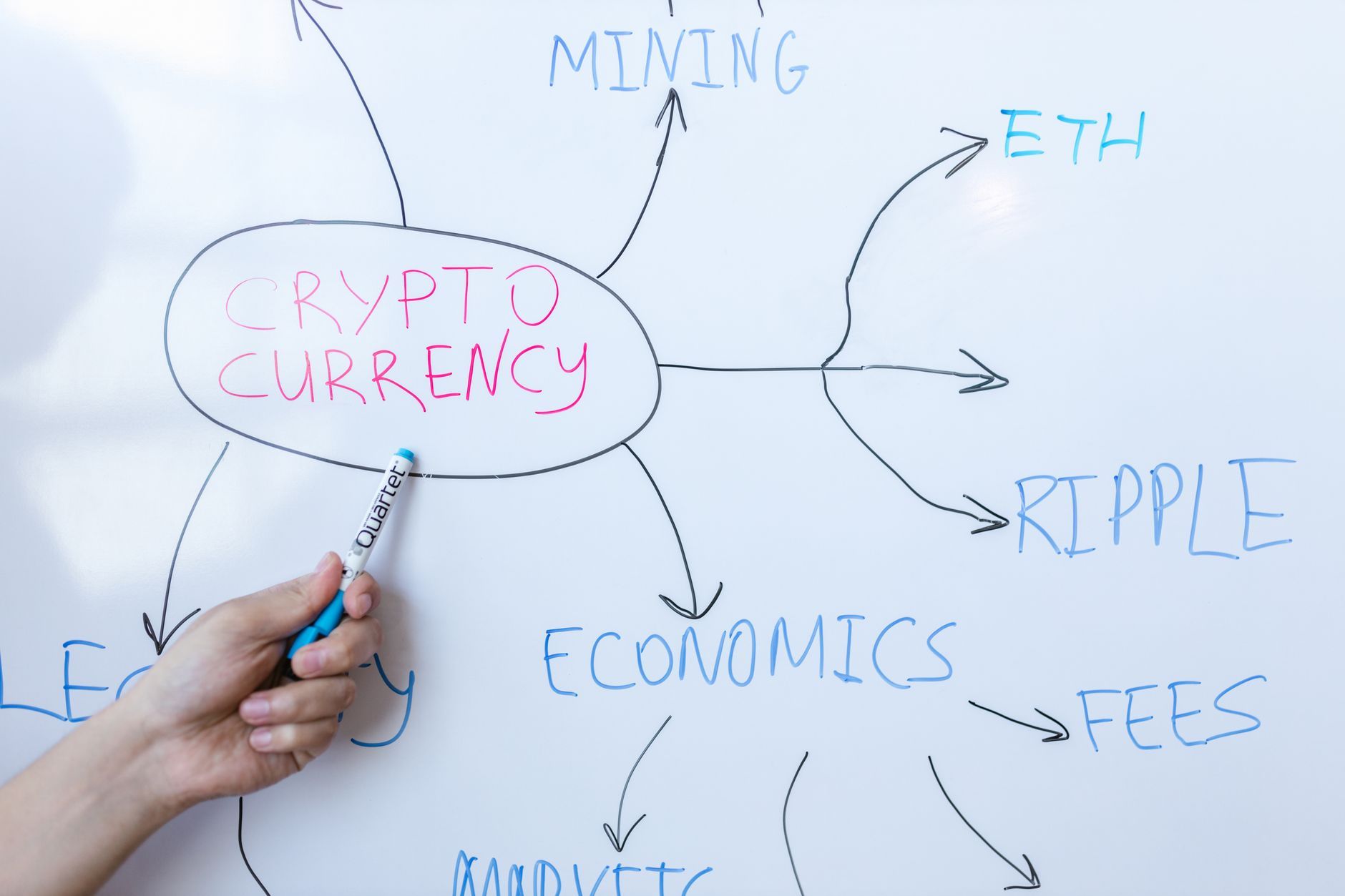
Compare pool depth, route hops, and price impact before a swap.
Image source: Photo by Laura Pineda Bravatti via Pexels · License
The five checks for liquidity news
Liquidity is the first DEX metric to inspect because it shapes slippage and execution reliability. For an AMM, liquidity is pool-specific. For an order-book or request-for-quote design, it may also depend on active makers, inventory, and quote availability. A protocol-wide total can be useful context, but it is not a quote for your intended trade.
Use this sequence when a DEX announces new liquidity, a migration, or an incentive program:
- Find the exact market and chain. Confirm the token contract, pool address, fee tier, and network. Wrapped assets and similarly named tokens can create false comparisons.
- Test the order size that matters. Read the displayed price impact and minimum received value for a small test transaction and for your intended size. A quoted output is more useful than a headline TVL figure.
- Identify the liquidity model. Constant-product pools, concentrated liquidity, stable-swap curves, order books, and RFQ systems behave differently when volatility rises.
- Check persistence. Incentivized liquidity can leave after rewards change. Read the incentive terms and end date instead of assuming liquidity will remain.
- Inspect routing. An aggregator or router can split an order across multiple pools. That may improve execution, while also adding approvals, contracts, or cross-chain steps that deserve review.
For a market-level cross-check, DefiLlama's DEX dashboard publishes protocol and chain views that can help identify where activity is concentrated. Treat dashboard data as a screening tool. Verify the specific pool and quote in the trading interface before execution.
Caption: Compare pool depth, route hops, and price impact before a swap.
What a liquidity headline can and cannot tell you
Confirmed fact: a dashboard, explorer, or protocol interface may show liquidity or volume for a defined time period.
Analysis: deeper liquidity in the exact route you use can reduce price impact, all else equal. It does not guarantee a better trade after fees, gas, token-transfer behavior, or price movement during confirmation.
What remains uncertain: liquidity can be withdrawn, maker quotes can disappear, and a route can change between quote and confirmation. Large trades should be simulated close to execution and reviewed again in the wallet confirmation screen.
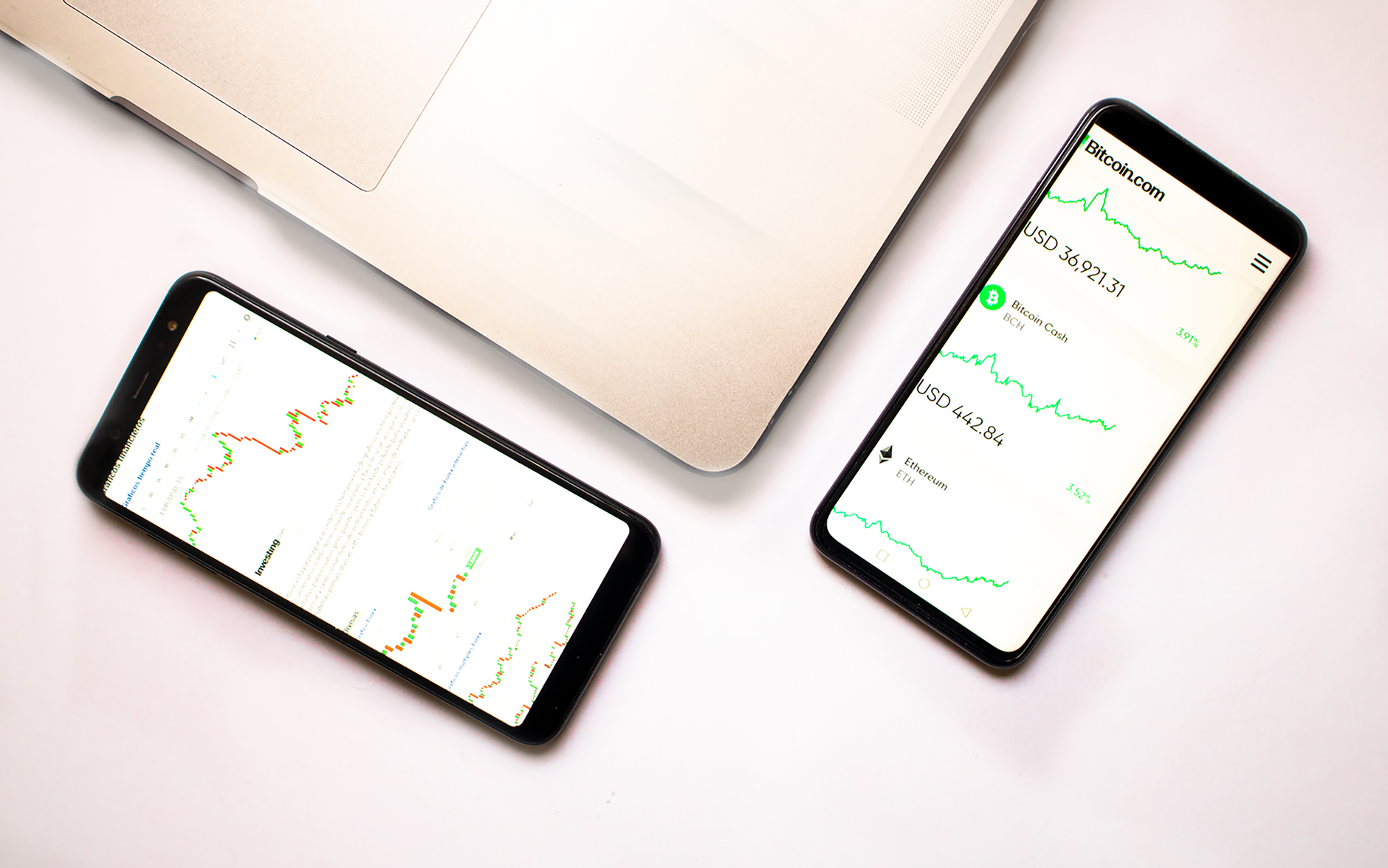
A DEX swap quote should show price impact, route, pool fees, and network fee.
Image source: Photo by Bastian Riccardi via Pexels · License
How to compare DEX fees correctly
A DEX fee is rarely one number. A low stated pool fee can be outweighed by network costs, price impact, a less efficient route, or a bridge fee. Conversely, a higher-fee pool can produce a better final output if it has materially deeper liquidity for the pair.
| Cost component | Where to verify it | Why it matters |
|---|---|---|
| Pool or LP fee | Pool page, router quote, protocol documentation | Charged as part of the swap path and can vary by pool or fee tier. |
| Protocol or interface fee | Trade preview and fee documentation | May be separate from the pool fee. |
| Network fee | Wallet transaction preview | Depends on chain conditions and transaction complexity. |
| Price impact | Trade quote | Reflects the route's estimated movement through available liquidity. |
| Bridge and destination costs | Bridge quote and destination transaction preview | Relevant when the trade or route crosses networks. |
A practical comparison method is simple: request quotes for the same input amount, destination asset, chain, and time window. Record the estimated amount received, all displayed fees, route hops, and minimum received. Repeat for a small, medium, and large order size. Do not compare a percentage pool fee on one venue with an all-in quote on another.
For example, Uniswap documents that its pools can use different fee tiers, and its interface shows the route selected for a trade. Review the current Uniswap protocol documentation alongside the live quote, because documentation describes the mechanism while the quote reflects the transaction you are about to sign.
Caption: A DEX swap quote should show price impact, route, pool fees, and network fee.
Fee changes that deserve immediate attention
Watch for a change in pool fee tiers, protocol-fee activation, interface charges, router logic, gas sponsorship terms, or reward-funded fee rebates. Each can change execution economics or liquidity-provider returns. Read the effective date, governance proposal or admin action, affected contracts, and whether existing pools are included.
A fee announcement alone does not establish its effect on execution quality. Compare live quotes before and after the change using identical trade parameters.

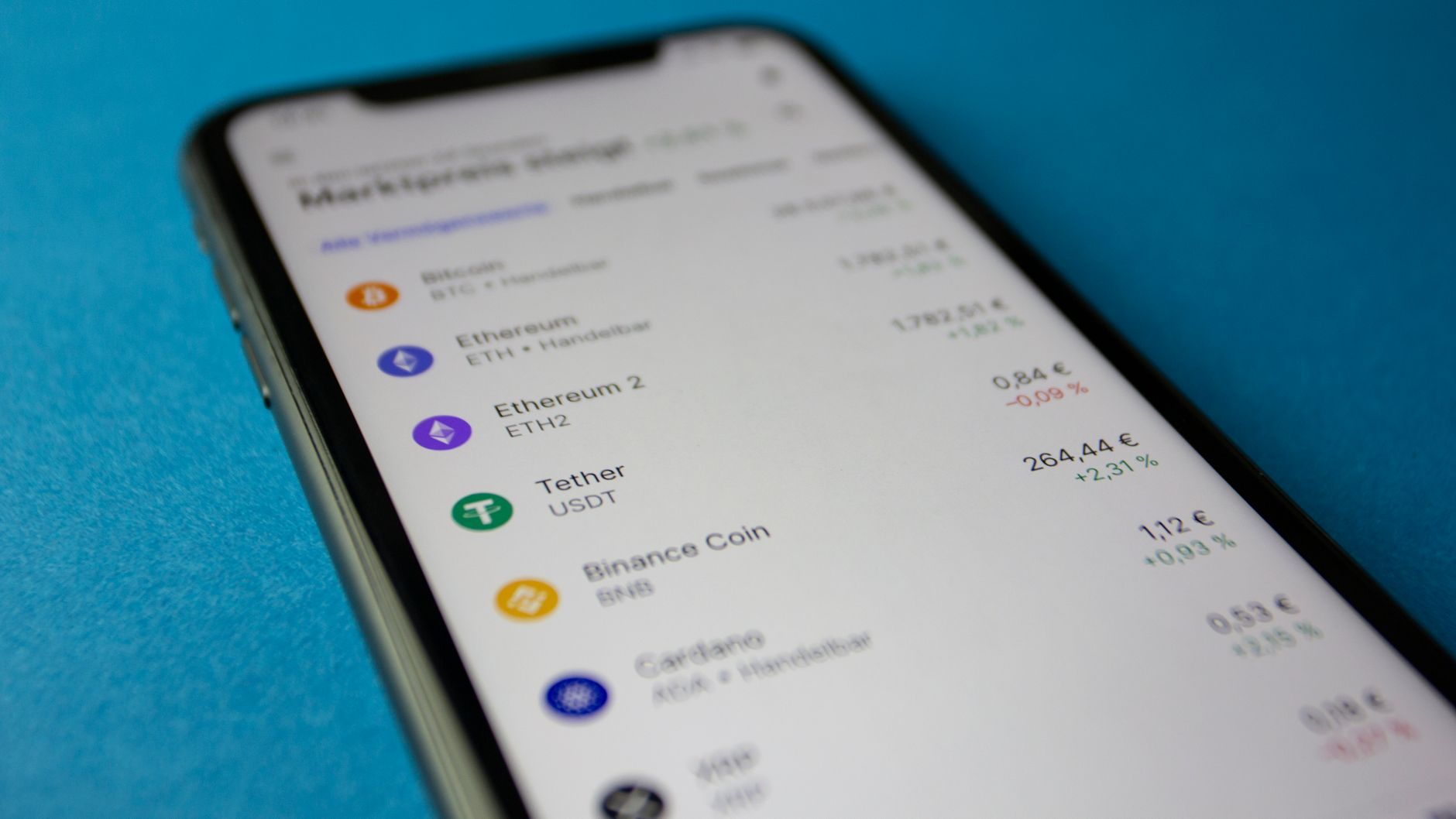
Verify a DEX launch through official documentation, contract addresses, explorer records, and permission disclosures.
Image source: Photo by Jonathan Borba via Pexels · License
How to verify DEX launches and major upgrades
A launch announcement becomes useful news when a reader can independently establish what is live, where it is live, and what risks have changed. Marketing pages and social posts can be an initial signal, but they are not sufficient evidence for contract safety or functionality.
Use this launch-verification checklist:
- Official release: Locate the protocol's announcement, documentation update, or governance record. Capture the publication date and the precise feature described.
- Live access: Confirm the supported chain, official application URL, wallet requirements, and assets or markets currently enabled.
- Contract evidence: Match the contract addresses supplied by the project to a chain explorer. Confirm that the interface points to those contracts.
- Permissions: Identify upgradeability, pause powers, fee controls, allowlists, and multisig or governance authority. The OpenZeppelin access-control documentation is a useful reference for the permission patterns that readers may encounter, though it does not audit any individual deployment.
- Audits and disclosures: Read the audit scope and date. An audit can cover only specified code at a point in time, so it should not be read as a blanket safety guarantee.
- Migration path: For replacements or new versions, check whether liquidity, LP positions, token approvals, or incentives must be moved manually.
Caption: Verify a DEX launch through official documentation, contract addresses, explorer records, and permission disclosures.
Confirmed facts versus interpretation
Keep these categories separate in DEX news coverage:
- Confirmed fact: "The protocol published a dated release note identifying a deployment on a named chain."
- Attributed statement: "The team says the router is intended to improve route selection."
- Analysis: "The update could improve an all-in quote for some trade sizes if it reaches deeper pools with fewer costly hops."
- Uncertainty: "Actual results depend on live liquidity, gas, token behavior, and the routes available at execution."
This distinction helps readers avoid treating launch language as proof of liquidity, security, or superior prices.
A practical DEX news watchlist
Build a watchlist around events that can alter a real transaction, rather than every governance post or token campaign.
1. New chain deployments
A deployment on another network can expand access and lower network costs for some users. Verify whether the new deployment has separate liquidity, different pool options, or a distinct router. Cross-chain branding does not mean liquidity is shared across networks.
2. New pools, markets, and asset support
Check the token address, pool type, fee configuration, and whether liquidity is organic, market-maker supplied, or incentive-funded. New assets can carry token-contract, oracle, transfer-tax, or liquidity-concentration risks that are separate from the DEX itself.
3. Router and aggregator updates
Track changes to routing sources, split-routing behavior, approval flows, permit support, gas estimation, and transaction simulation. A routing upgrade may matter more to a trader than a new visual interface, but only a like-for-like quote test can show the impact for a given swap.
4. Pool and protocol fee changes
Read the implementation record and effective date. For liquidity providers, determine who receives fees, how fees accrue, and whether a new mechanism changes position management or withdrawal outcomes.
5. Incentive starts, changes, and expiries
Incentives can attract capital and alter quoted depth. Record the reward asset, eligibility conditions, emissions schedule, lockups, and stated end date. Do not annualize a short-term reward period into a durable expectation.
6. Security, permissions, and incident disclosures
Prioritize verified contract upgrades, admin-key changes, exploit disclosures, pausing events, oracle changes, and front-end compromises. Confirm the affected contracts and user actions from official incident updates and explorer records before sharing conclusions.
How traders and liquidity providers should react
For traders, the best response to material DEX news is usually a fresh quote comparison. Use the same wallet, network, asset contracts, and input amount. Check the minimum received, route, price impact, and network fee immediately before signing. Start with a small test when interacting with a new deployment or unfamiliar asset.
For liquidity providers, evaluate the change as a position-management decision. Concentrated liquidity can require active range management. A new incentive can increase gross fee and reward potential while also attracting more competing liquidity or exposing the position to impermanent-loss dynamics. Read the current pool rules, contract permissions, and withdrawal process before depositing.
For both groups, revoke or limit token approvals where the wallet supports it, use official links, and do not sign opaque transactions merely because a launch is trending. News creates a reason to investigate. The transaction details determine the decision.
FAQ
What DEX news matters most to traders in 2026?
The most useful DEX news changes an all-in trade outcome or transaction risk: liquidity in the exact market, fee rules, routing, supported chains, contract upgrades, and confirmed security disclosures. Compare a current quote at your intended trade size instead of relying on protocol-wide volume or TVL headlines.
How should I compare fees across decentralized exchanges?
Compare quotes for the same input amount, asset contracts, destination chain, and time. Include pool fees, protocol or interface fees, network fees, bridge costs when relevant, price impact, route hops, and the minimum amount received. A listed fee percentage alone is not a complete cost comparison.
How can I verify that a new DEX launch is real?
Check the protocol's official announcement and documentation, then match the published contract addresses to a block explorer and confirm the official app URL. Review supported networks, permissions, audit scope, and migration instructions. A social-media post or a token listing is not sufficient verification.
Does more DEX liquidity guarantee lower slippage?
More liquidity can reduce price impact when it is available in the exact pair, pool, chain, and route you use. It does not guarantee a better execution outcome because fees, gas, route quality, token behavior, and market movement also affect the final result.
Frequently Asked Questions
What DEX news matters most to traders in 2026?
The most useful DEX news changes an all-in trade outcome or transaction risk: liquidity in the exact market, fee rules, routing, supported chains, contract upgrades, and confirmed security disclosures. Compare a current quote at your intended trade size instead of relying on protocol-wide volume or TVL headlines.
How should I compare fees across decentralized exchanges?
Compare quotes for the same input amount, asset contracts, destination chain, and time. Include pool fees, protocol or interface fees, network fees, bridge costs when relevant, price impact, route hops, and the minimum amount received. A listed fee percentage alone is not a complete cost comparison.
How can I verify that a new DEX launch is real?
Check the protocol's official announcement and documentation, then match the published contract addresses to a block explorer and confirm the official app URL. Review supported networks, permissions, audit scope, and migration instructions. A social-media post or a token listing is not sufficient verification.
Does more DEX liquidity guarantee lower slippage?
More liquidity can reduce price impact when it is available in the exact pair, pool, chain, and route you use. It does not guarantee a better execution outcome because fees, gas, route quality, token behavior, and market movement also affect the final result.